
Changing your name can be an important and meaningful process in your life. Whether it's due to marriage, divorce, personal preference, or any other reason, the process of changing your name in Australia can seem daunting at first. In this blog post, we will walk you through everything you need to know about changing your name in Australia. From the legal requirements to the practical steps involved, we will cover it all to make the process as smooth and easy as possible for you.
- Section 1: Understanding the Legal Requirements
- Section 2: Reasons for Changing Your Name
- Section 3: Steps to Change Your Name
- Section 4: Updating Your Name on Official Documents
- Section 5: Informing Relevant Authorities and Institutions
Section 1: Understanding the Legal Requirements
Changing your name in Australia is a legal process governed by specific regulations.
The key legal requirements include:
- You must be 18 years or older.
- You must be an Australian citizen or a permanent resident.
- You cannot change your name for fraudulent or illegal purposes.
- Certain restrictions apply to names that are considered offensive or too long.
Section 2: Reasons for Changing Your Name
There are various reasons why someone may choose to change their name in Australia:
- Marriage: Taking on a partner's surname or creating a new surname.
- Divorce: Reverting to a previous name after divorce.
- Personal Preference: Choosing a name that better reflects your gender identity or cultural heritage.
- Professional Reasons: Changing your name for career or branding purposes.
Section 3: Steps to Change Your Name
Step 1: Obtain a 'Change of Name' Form
You can download the 'Change of Name' form from the Births, Deaths, and Marriages registry website in your state or territory. Typically these days you can do it at the RMS, please click here.
Step 2: Supporting Documentation
You may need to provide supporting documents such as your birth certificate, passport, and proof of residency. Have these ready before logging into the RMS.
Step 3: Complete the Form
Fill out the form with accurate information, including your current name, desired new name, reason for the change, and other required details.
Step 4: Lodge the Form
Submit the completed form and supporting documents to the Births, Deaths, and Marriages registry in your state or territory, Currently, the RMS takes on this function. There may be a processing fee involved.
Section 4: Updating Your Name on Official Documents
Once your name change is approved, you will need to update your name on various official documents, including:
- Driver's license
- Passport
- Bank accounts
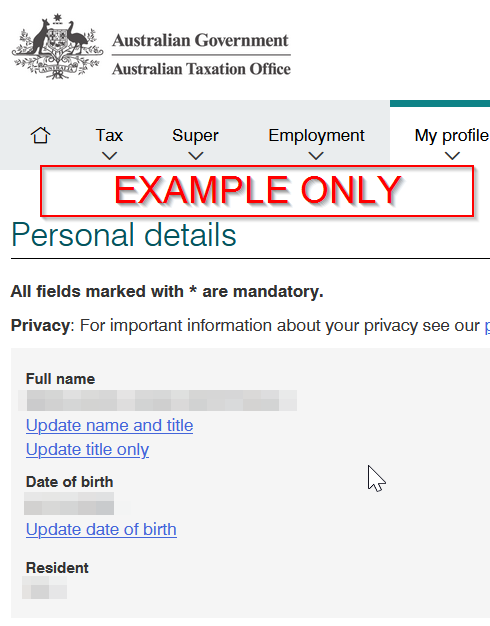
- Tax file number, Click here if you need to change our name with the ATO.
- Medicare card
- Electoral roll
Section 5: Informing Relevant Authorities and Institutions
It is important to inform relevant authorities and institutions about your name change, such as:
- Employer
- Banks and financial institutions
- Utility providers
- Insurance companies
- Schools and educational institutions
Section 6: Changing Your Name After Marriage
If you are changing your name after marriage, you can choose to take on your spouse's surname, hyphenate both surnames or create a new combined surname. The process may vary slightly depending on your state or territory.
Section 7: Changing Your Name After Divorce
If you are changing your name after divorce, you can revert to your previous surname or choose a completely new name. You will need to provide a copy of your divorce certificate as supporting documentation.
Section 8: Professional Name Changes
If you are changing your name for professional reasons, such as branding or career purposes, it is important to update your name on all relevant documents, including business licenses, professional memberships, and online profiles.
Section 9: Common Mistakes to Avoid
When changing your name in Australia, some common mistakes to avoid include:
- Not updating your name on all official documents.
- Not informing relevant authorities and institutions about your name change.
- Not keeping copies of all documentation related to your name change.
Section 10: Final Thoughts
Changing your name in Australia is a significant decision that requires careful consideration and adherence to legal requirements. By following the steps outlined in this guide and staying organized throughout the process, you can successfully change your name and start this new chapter of your life with confidence.
By following this comprehensive guide, you will have all the information you need to navigate the process of changing your name in Australia effectively and efficiently. At AWTS, we can not assist with the change of name, and we are not allowed to change your name in our system, without it being changed with the ATO first, as the tax return we file for you will not be lodged electronically if names don't match.
Remember that changing your name is a personal choice, and it is important to take the time to consider all aspects before making a decision. Good luck on this exciting journey of self-discovery and reinvention!
The ATO provides guidance through ato.gov.au, the Small Business Support Line (13 28 66), and Online Services for individuals and businesses. For complex situations, a registered tax agent provides advice tailored to your specific circumstances and professional indemnity protection. You can verify agent registration at the TPB register at tpb.gov.au.
Most tax records must be kept for five years from the date of lodgement or the date the transaction occurred, whichever is later. Records must be in English or convertible to English and must be sufficient to explain the income and deductions in your return. The ATO can request records at any time during the retention period.
Consider a registered tax agent when your affairs involve multiple income sources, business activity, investment properties, capital gains, or overseas income. Agents extend your lodgement deadline, provide safe harbour protection, and take professional responsibility for the advice given. Verify registration at tpb.gov.au.
The failure to lodge penalty is based on penalty units ($313 per unit from 1 July 2023), accruing per 28-day period for late returns and BAS lodgements. Incorrect information penalties range from 25% to 75% of the tax shortfall depending on whether the behaviour was careless, reckless, or intentional. Proactive disclosure before an audit begins typically results in significantly reduced penalties.
Tax minimisation is the legal arrangement of your affairs to reduce tax — claiming all eligible deductions, using appropriate structures, and timing income and expenses. Tax avoidance involves arrangements that technically comply with the law but achieve outcomes parliament did not intend. The ATO can apply Part IVA anti-avoidance rules to cancel benefits from avoidance arrangements.
